Why Is the Stock Market Down Today? Nvidia, Inflation and Tariffs Hit Stocks
By Eoin Villarin, 2026-11-26
Stocks fell hard on November 25, 2026, as Nvidia led a renewed AI sell-off, core PCE inflation came in hot, a December Fed hike was priced in and new tariffs were proposed. Here is what happened and what to watch.
Why is the stock market down today?
On Wednesday, November 25, 2026, stocks fell because Nvidia led a renewed sell-off in AI and chip stocks, October core PCE inflation rose 3.3% versus 3.2% expected, traders priced in about 97% odds of a December Fed rate hike, and the administration proposed new tariffs of up to 20% on 14 trading partners. By late morning the Nasdaq was down more than 4% and the S&P 500 about 2.7%.
Key takeaways
- On November 25, 2026, the Nasdaq fell more than 4%, the S&P 500 about 2.7% and the Dow between roughly 730 and 1,000 points by late morning.
- Nvidia dropped about 6% to 8.6%, erasing much of Monday's 31% rally after Jensen Huang was reinstated as CEO.
- October core PCE inflation rose 3.3% year over year, above the 3.2% forecast, while headline PCE hit 3.8%.
- CME FedWatch showed about 97% odds of a December rate hike and about 63% for January.
- New Section 301 tariffs of up to 20% were proposed on 14 trading partners, effective January at the earliest; markets are closed for Thanksgiving and close early Friday.
The stock market is down because three things hit at once on Wednesday, November 25, 2026: Nvidia led a fresh sell-off in AI and chip stocks, October inflation came in hotter than expected on the core measure, and the administration proposed new tariffs on 14 trading partners. By late morning the Nasdaq Composite was down more than 4%, the S&P 500 about 2.7% and the Dow between roughly 730 and 1,000 points, the day before the Thanksgiving market holiday. Here is what happened, why it happened and what to watch next.
This article explains market news. It is not investment advice.
Why is the stock market down today? The short answer
- The AI trade is unwinding again. Nvidia fell between about 6% and 8.6% during the morning, extending a 5.9% drop on Tuesday and wiping out much of Monday's 31% jump after Jensen Huang returned as CEO.
- Inflation is running hot. The Fed's preferred gauge, the PCE price index, rose 3.8% from a year earlier in October, the highest annual rate since 2023. Core PCE rose 3.3%, above the 3.2% forecast.
- Rate hikes are now expected. CME FedWatch showed about 97% odds of a Federal Reserve rate hike in December and about 63% for another one in January.
- New tariffs were proposed. The US Trade Representative named 14 economies, including China, the EU and Japan, for possible Section 301 tariffs of up to 20%.
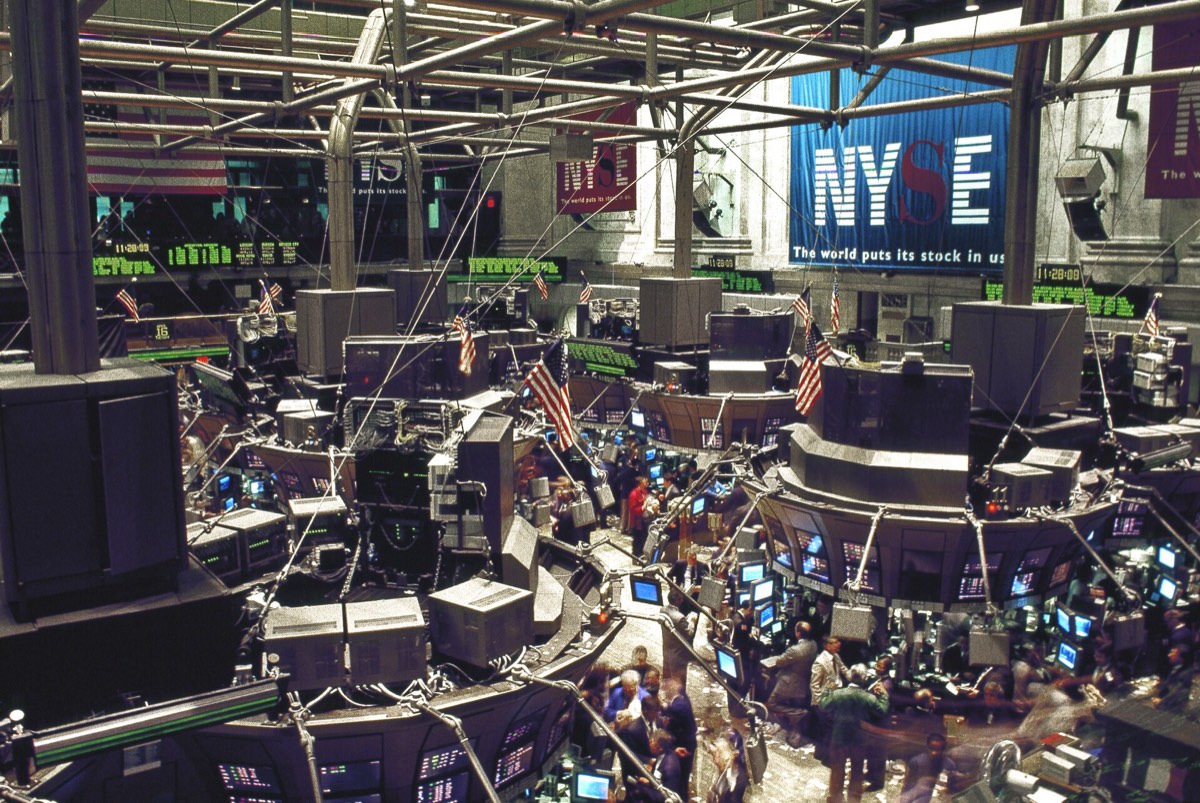
How far did stocks fall on November 25?
The losses came fast. Stocks opened sharply lower after the 8:30 a.m. ET data release and kept sliding through the morning. Exact figures moved all session, so the numbers below are the intraday readings reported by CNBC, Yahoo Finance and other outlets.
| Index or asset | Move on Wednesday morning, Nov 25 |
|---|---|
| Nasdaq Composite | Down about 4.1% to 4.2%, near 22,760 |
| S&P 500 | Down about 2.7% to 2.9%, near 7,000 |
| Dow Jones Industrial Average | Down roughly 730 to 1,000 points (1.5% to 2%), near 49,000 to 49,300 |
| Nasdaq-100 | Briefly 20% below its record close, the usual definition of a bear market |
| Philadelphia Semiconductor Index | Down about 6% |
| Russell 2000 | Down about 1.6% |
| VIX volatility index | Back above 30, around 33.5, from 26.36 on Tuesday |
| 10-year Treasury yield | Down about 7 basis points to roughly 4.82% |
The day capped a wild week. On Monday the Dow jumped about 1,400 points and the Nasdaq had its best day since April 2025 after Nvidia reinstated Huang. On Tuesday the Dow still rose 423 points to close at 50,018.70, but the S&P 500 fell 0.5% to 7,201.09 and the Nasdaq dropped 1.48% to 23,733.54 as chip stocks slid. By Wednesday the selling had spread from chips to the whole market. Fox Business noted that the S&P 500 and Nasdaq were on track for their steepest November declines since 2008.
Nvidia leads the AI sell-off
Nvidia is the stock behind most of this week's swings. Jensen Huang resigned as CEO on November 12 after reports about his personal relationships, including one with a woman described as an alleged Chinese intelligence asset. CFO Colette Kress became interim CEO. On Monday, November 23, the board reinstated Huang, citing input from the US government, and the stock surged 31% in one day. Huang has denied that the White House forced his return. You can read the full background in my earlier post on why Jensen Huang resigned as Nvidia CEO.
The relief did not last. Investors are now weighing governance and political risk on top of the older question of whether huge AI spending will pay off. AP reported that worries about AI profits, Nvidia's corporate governance and the president's shareholding in the company all weighed on the stock. Huang is due to appear in closed-door sessions before the House Foreign Affairs Committee on December 1 and the Senate Banking Committee on December 3, so the story is not over.
Just a week earlier, Nvidia had beaten estimates with $115.8 billion in quarterly revenue, which I covered in Nvidia's Q3 fiscal 2027 earnings. Strong results have not been enough to stop the selling, which tells you the market is worried about the future of AI demand, not the last quarter.
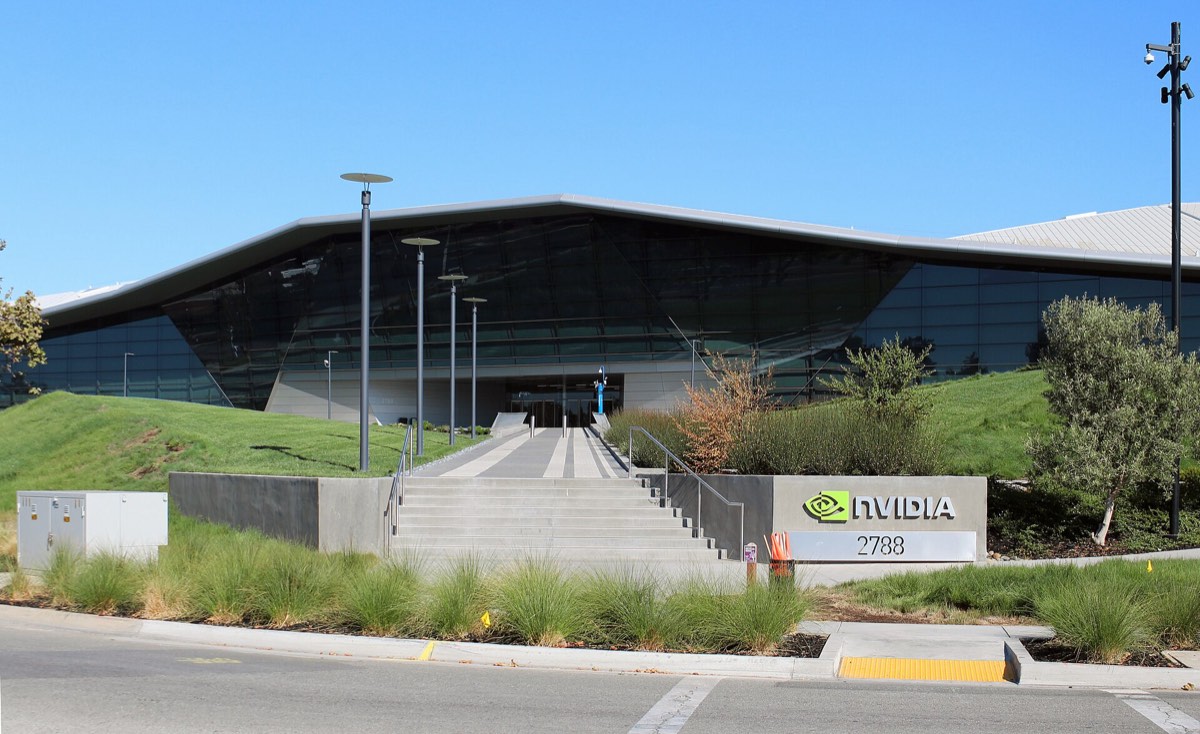
Which stocks fell the most?
The damage was widest in AI, chips and big tech. These are the intraday moves reported on Wednesday morning:
| Stock | Move | Why |
|---|---|---|
| Nvidia | Down about 6% to 8.6% | AI sell-off, CEO governance questions |
| Micron | Down 6% to 10% | Memory and chip rout |
| AMD | Down about 6.5% | Chip rout |
| Broadcom | Down about 6% | Chip rout |
| Oracle | Down more than 6% | AI infrastructure spending worries |
| Alphabet | Down about 4% to 5% | Big tech selling |
| Amazon | Down about 4.9% | Big tech selling |
| Microsoft | Down about 3.2% to 3.5% | Big tech selling |
| Anthropic | Down 2% to 8%, below its $83 IPO price | AI sell-off; the stock hit $115 on its first day and is down about 30% since |
| Dell | Down about 5% | Fell despite beating estimates and raising its forecast |
| Workday | Down about 9% | Restructuring charges cut quarterly profit |
| Ambarella | Down more than 22% | Weak forecast for the current quarter |
| HP | Up about 10% | Fourth-quarter revenue of $16 billion |
Anthropic's slide below its IPO price is a big symbolic moment for the AI trade. I wrote about the listing and the backlash around data centers in Anthropic IPO meets AI backlash. The selling was global too: South Korea's Kospi fell 6.2%, Japan's Nikkei 2.8% and SoftBank 14.8%, according to AP.
Hot inflation data: what the PCE report showed
The Bureau of Economic Analysis released October's personal consumption expenditures (PCE) data on Wednesday morning, delayed into the holiday week. The Federal Reserve uses PCE as its main inflation gauge.
| Measure (October) | Actual | Forecast | September |
|---|---|---|---|
| Headline PCE, year over year | 3.8% | 3.8% | 3.6% to 3.7% |
| Headline PCE, month over month | 0.3% | 0.3% | 0.5% |
| Core PCE, year over year | 3.3% | 3.2% | 3.1% |
| Core PCE, month over month | 0.3% | 0.3% | 0.3% |
Headline inflation matched forecasts, but core inflation, which strips out food and energy, beat them, and it is still well above the Fed's 2% target. The same morning, third-quarter GDP growth was revised to a strong 4.3% annual rate. A fast-growing economy with rising inflation is exactly the mix that pushes a central bank to raise rates, and that is how traders read it.
Is the Fed going to raise rates?
Markets now expect it. After the data, CME FedWatch put the odds of a quarter-point hike at the December meeting at about 97%, with about 63% odds of another hike in January. Higher rates make borrowing more expensive for companies and consumers, and they hit richly valued growth stocks, like AI and chip names, the hardest, because their profits are expected far in the future. Treasury yields actually fell on Wednesday as investors moved money into bonds for safety.
New tariffs on 14 trading partners
The third shock came from trade. US Trade Representative Jamieson Greer released findings from Section 301 investigations into "structural excess capacity" in 14 economies: China, the European Union, Singapore, Switzerland, Indonesia, Malaysia, Cambodia, Thailand, South Korea, Vietnam, Taiwan, Bangladesh, Japan and India.
- Rates: up to 20% on most goods from China, which would come on top of the roughly 25% duties imposed in 2018, and up to 18% on goods from Bangladesh and Cambodia. Reports differ on whether duties for other countries stack on top of existing tariffs.
- Timing: written comments are due January 5, 2027, and public hearings start January 25, 2027, so the tariffs would take effect in January at the earliest.
- China: the current US-China trade truce expires on January 10.
The tariffs are not in force yet, but the market prices in what it expects. Tariffs can push prices up, which feeds the same inflation worry that is driving the rate-hike bets.

Is the stock market open on Thanksgiving?
No. US stock and bond markets are closed on Thursday, November 26, 2026, for Thanksgiving. On Friday, November 27, stocks trade a shortened session and close at 1:00 p.m. ET, and the bond market closes at 2:00 p.m. ET. Shortened holiday sessions often have low trading volume, which can make moves bigger in either direction.
What this means for online stores and small businesses
Most of my clients run websites and online stores, not trading desks, so here is the practical side. Friday's half-day of trading is also Black Friday, the biggest shopping weekend of the year.
- Plan for higher borrowing costs. If the Fed hikes in December and January, credit lines and financing get more expensive. Budget for that before committing to big spending in early 2027.
- Watch import costs from January. If you sell products made in China, Vietnam, Bangladesh or the other named countries, the proposed tariffs could raise your costs as early as late January. Review supplier quotes and pricing now.
- Market drops do not cancel Black Friday. Shoppers still buy, but they compare harder. A fast, reliable store that converts well matters more when people are cautious. My Black Friday Cyber Monday website checklist covers the last-minute checks.
- Keep your site healthy. Speed and uptime problems cost the most during high-traffic weekends. A free website audit or ongoing website maintenance catches them before customers do, and if you run Shopify, my Shopify development page explains how I help stores.
What to watch next
- Friday, November 27: shortened trading session and Black Friday sales data.
- December 1 and 3: Jensen Huang's closed-door appearances before House and Senate committees.
- Mid-December: the Federal Reserve's rate decision, with a hike almost fully priced in.
- January 5 to 25, 2027: tariff comment deadline and public hearings, with the China truce ending January 10.
Sources
- CNBC: Dow tumbles 700 points, Nasdaq loses 4% as Nvidia leads resumption of AI sell-off
- Yahoo Finance: Dow, S&P 500, Nasdaq sink on hot inflation, new Trump tariffs as chip rout continues
- AP via The Press Democrat: AI rout drags Wall Street lower
- Fox Business: Stocks tumble as AI sell-off deepens
- Reuters via NBC News: Nasdaq, S&P 500 close lower, giving up some Nvidia-fueled gains
- The Boston Report: Nasdaq plunges 4% before Thanksgiving as AI sell-off and new tariff plan hit Wall Street
FAQ
Why is the stock market down today?
On November 25, 2026, stocks fell because Nvidia led a renewed sell-off in AI and chip stocks, core PCE inflation came in at 3.3% versus 3.2% expected, traders priced in a December Fed rate hike, and the administration proposed new tariffs on 14 trading partners.
Why are stocks down today, the day before Thanksgiving?
The selling came from hot inflation data released that morning, fresh tariff proposals and a second straight day of losses in Nvidia and other AI stocks, which had rallied on Monday after Jensen Huang's return as CEO.
How much did the Nasdaq fall on November 25, 2026?
The Nasdaq Composite was down about 4.1% to 4.2% by late morning, and the Nasdaq-100 briefly traded 20% below its record close, which is bear market territory.
Why did Nvidia stock drop?
Nvidia fell about 6% to 8.6% on Wednesday as investors questioned AI spending returns and the governance and political risks around Jensen Huang's reinstatement as CEO, which had sent the stock up 31% on Monday.
Is the stock market open on Thanksgiving 2026?
No. US markets are closed on Thursday, November 26, 2026. On Friday, November 27, stocks close early at 1:00 p.m. ET and bonds at 2:00 p.m. ET.
Will the Fed raise interest rates in December 2026?
Traders think so. After the October PCE report, CME FedWatch showed about 97% odds of a rate hike in December and about 63% odds of another in January.