Anthropic IPO Meets AI Backlash: Valuation, Date and Data Center Votes
By Eoin Villarin, 2026-11-08
Anthropic is heading for a Nasdaq IPO as ANT, but an AI stock sell-off and midterm votes against data centers cut valuation talk from $2 trillion to as low as $1.1 trillion. Key S-1 numbers, what happens next and what it means for businesses using AI.
What is happening with the Anthropic IPO?
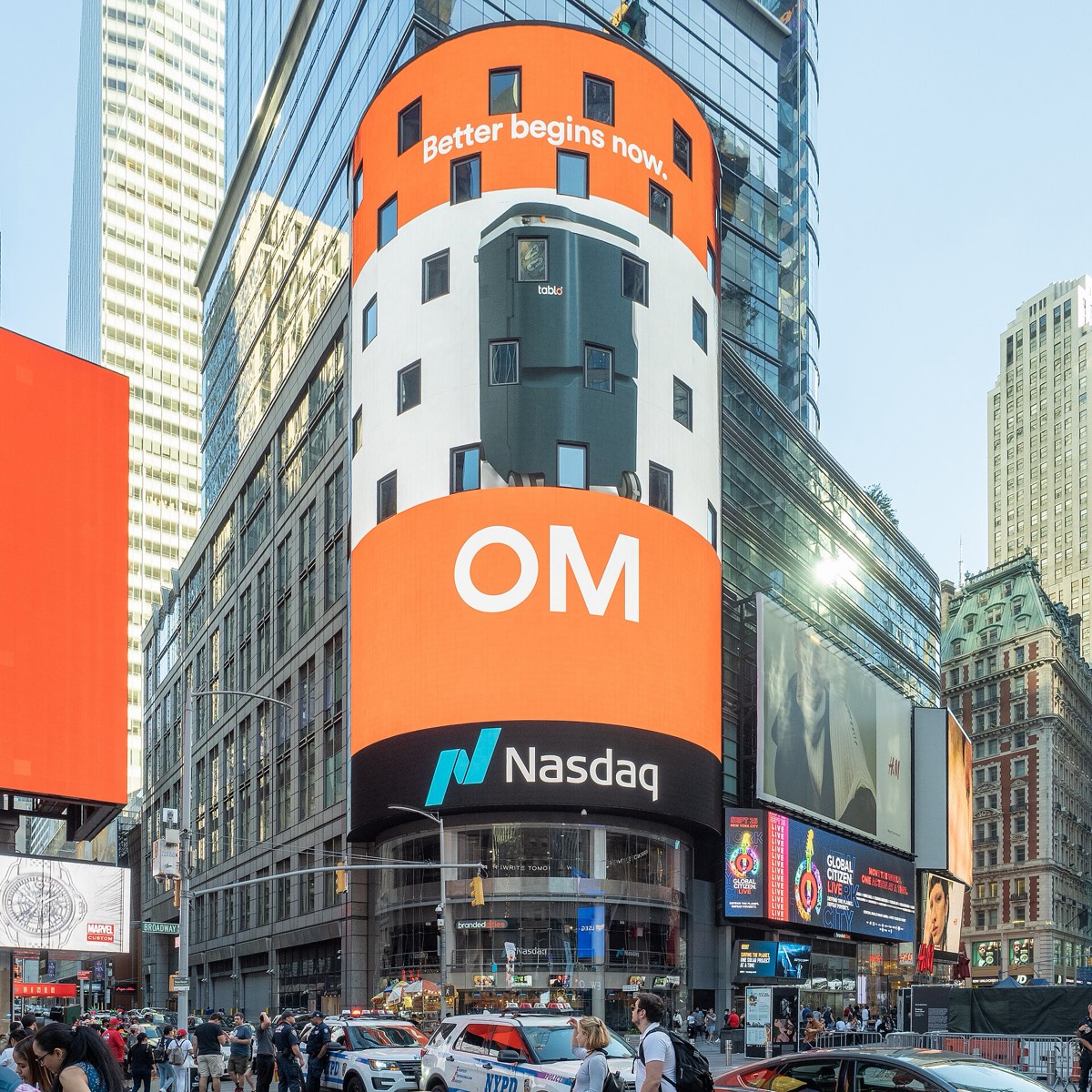
Anthropic, maker of the Claude AI models, filed to list on the Nasdaq under the ticker ANT and is reportedly aiming for a mid-November 2026 debut. After an AI stock sell-off and midterm votes against data centers, valuation talk fell from up to $2 trillion to $1.1 to $1.5 trillion. No price range or final date has been published yet.
Key takeaways
- Anthropic filed its S-1 on October 26, 2026 to list on the Nasdaq under the ticker ANT, with a mid-November debut reported as likely.
- Revenue reached $16.29 billion in the first half of 2026, up from $1.16 billion a year earlier, with about 85% gross margin.
- Valuation talk fell from up to $2 trillion in early October to $1.2 to $1.3 trillion, with some buyers as low as $1.1 trillion.
- Voters backed limits or rejected development in almost all of the 41 local data center measures in the November 3 midterms.
- Businesses using AI should avoid locking into one provider, track usage costs and keep a human reviewing public AI output.
"Artificial intelligence news" is trending on Google right now, and one story is driving it: Anthropic, the company behind the Claude AI models, is trying to go public on the Nasdaq just as voters and investors turn against the AI boom. The IPO filing shows explosive revenue growth, but a stock market sell-off and a wave of local votes against AI data centers in the November 3 midterm elections have pushed the expected valuation down from about $2 trillion to as low as $1.1 trillion. Here is what happened, the key numbers from the filing, why the backlash matters, and what it means if your business uses AI tools.
What is happening with the Anthropic IPO?
Anthropic publicly filed its IPO paperwork (a Form S-1) with the US Securities and Exchange Commission on October 26, 2026, after filing confidentially in June. It plans to list its Class A shares on the Nasdaq Global Select Market under the ticker ANT. An amended filing followed on November 2, 2026. Goldman Sachs and Morgan Stanley lead the deal, with JPMorgan, Citigroup and about 18 other banks taking part.
CNBC reported on November 7, 2026 that Anthropic is likely aiming for a mid-November Nasdaq debut. The share count, price range and exact trading date have not been published yet, and Anthropic declined to comment on the timing. Until the company sets a price range in an updated filing, every date and valuation figure you see is reporting from people familiar with the talks, not an official number.
Anthropic IPO key numbers from the S-1 filing
The filing gave the public its first full look at Anthropic's finances. These are the headline figures as reported by CNBC:
| Metric | Figure |
|---|---|
| Revenue, first half of 2026 | $16.29 billion (up from $1.16 billion a year earlier) |
| Revenue, full year 2025 | $4.59 billion |
| Net loss, first half of 2026 | $80.7 billion, about $72 billion of it from accounting charges on convertible notes |
| Gross margin, first half of 2026 | About 85%, up from about 12% a year earlier |
| Net revenue retention | About 900% as of September 30, 2026 |
| Customers paying $100,000 or more a year | More than 11,900 |
| Customers paying $1 million or more | About 1,900 |
| Customers paying $10 million or more | About 250 |
| Compute and lease commitments | About $895.4 billion (amended filing) |
| Exchange and ticker | Nasdaq Global Select Market, ANT |
Net revenue retention of about 900% means that, on average, existing customers are spending around nine times what they spent a year earlier. The filing credits Claude Code, Anthropic's coding agent, and its newer models as major drivers of that growth. No single customer made up more than 10% of revenue in the nine months to September 30.
The big loss looks alarming, but most of it is a non-cash accounting charge. The number to watch is the $895.4 billion in purchase commitments and leases, almost all of it for computing power and the data centers that run the models. That is the cost side of the AI boom, and it is exactly what voters pushed back on this week.

Why did the Anthropic valuation fall from $2 trillion?
In early October, valuation talk reached as high as $2 trillion. Then two things happened in the same week.
- An AI stock sell-off. On Thursday, November 5, the Nasdaq Composite closed more than 10% below its recent high, which counts as a correction. The S&P 500 fell 4.4% and the Dow lost more than 1,800 points. Chip stocks were hit hardest: Micron fell 17% and Nvidia 9% that day, before both bounced about 4% on Friday.
- A political shock. Democrats won control of both the House and the Senate in the November 3 midterms, and data centers turned out to be one of the most unpopular parts of the AI buildout at the local level.
Here is how the reported valuation range moved:
| When | Reported valuation talk | Source |
|---|---|---|
| Early October 2026 | Up to $2 trillion | Bloomberg |
| Before the sell-off | $1.4 trillion to $1.5 trillion | Bloomberg |
| November 6, 2026 | $1.2 trillion to $1.3 trillion, some buyers as low as $1.1 trillion | Bloomberg |
| November 7, 2026 | $1 trillion to $1.5 trillion target | CNBC |
Forbes worked out that at $2 trillion, buyers would have paid nearly 30 times Anthropic's latest quarterly revenue at an annual rate, and about 19 times at $1.3 trillion. On the prediction market Kalshi, the odds that Anthropic announces its IPO before December fell to 57% from nearly 90% the week before. Even at the lower range, this would still be one of the largest IPOs ever.
Why are voters turning against AI data centers?
The midterms included 41 local ballot measures about data centers across 10 states, according to counts from CNBC and Ballotpedia. Voters backed restrictions or rejected new development in almost all of them. The main exception was Harwood, North Dakota.
| Place | Result |
|---|---|
| Ohio (21 of the 41 measures) | Rejected data center development almost everywhere it was on the ballot |
| Wilmington, Ohio | About 80% voted against rezoning across four referendums |
| Ashville, Ohio | More than 81% voted down a deal to keep a data center |
| Grove City, Ohio | 55% voted to rein in data center development |
| Harwood, North Dakota | Voters rejected an extra review step for industrial projects, a win for developers |
People's reasons are practical: electricity bills, water use, noise, land and tax breaks for huge buildings that create few local jobs. A Gallup poll published in May 2026 found 71% of Americans opposed an AI data center in their own area. A USC Annenberg survey of 2,980 Americans in October 2026 found 62% opposed local construction. In a CNBC exit poll, 56% of voters said data centers were a crucial or major factor in how they voted.

Why does local opposition matter for an AI company?
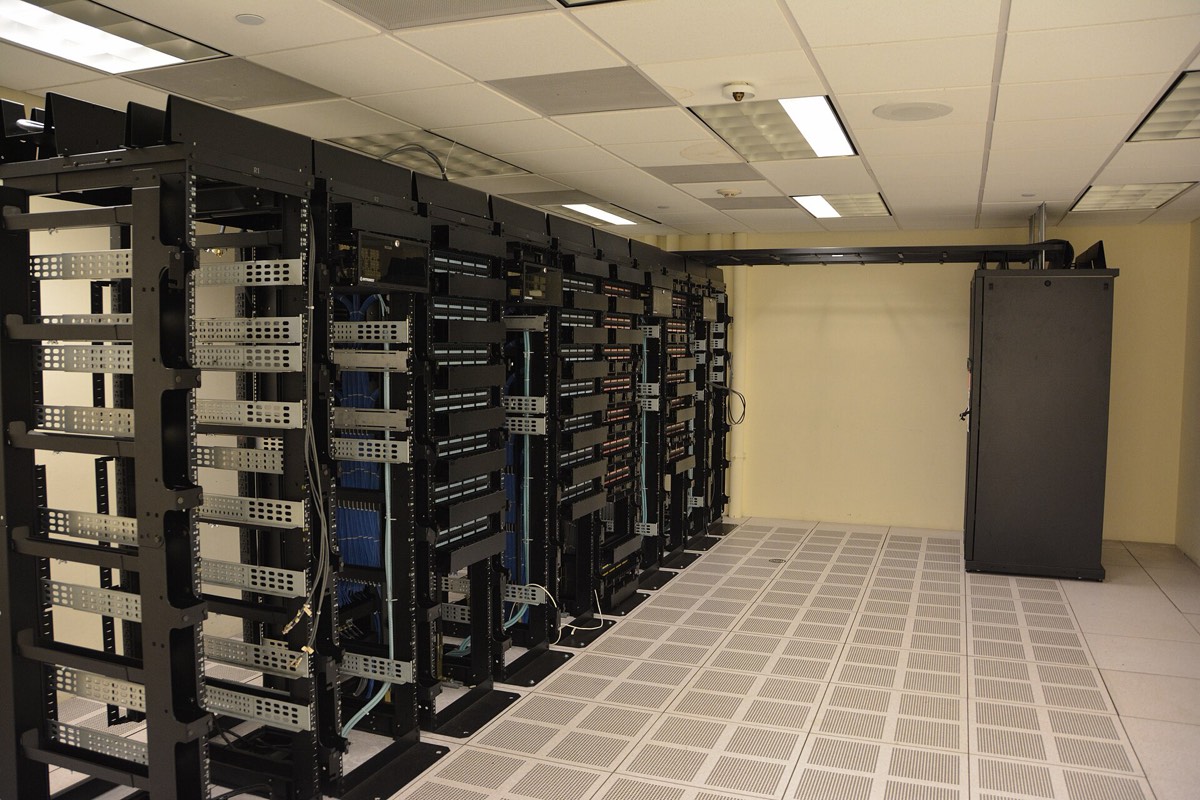
AI companies sell access to models, but those models need enormous amounts of computing power. If towns block or delay new data centers, building that capacity gets slower and more expensive. For an IPO buyer, that raises three questions:
- Can the company get the compute it has already promised to pay for? Nearly $900 billion in commitments only works if the data centers actually get built and powered.
- Will rules get tighter? With control of Congress changing hands and local votes going against data centers, new limits on energy use, water and permits are more likely.
- Will public trust hold? Anthropic sells mostly to businesses, and those businesses care about how their AI suppliers are seen by their own customers.
Who controls Anthropic after the IPO?
Anthropic was founded in 2021 by former OpenAI researchers including siblings Dario Amodei (CEO) and Daniela Amodei (president). It is set up as a public benefit corporation, which means it is legally allowed to weigh a stated public mission alongside profit. The S-1 describes a control structure that it says has no direct public company precedent:
- Founder LLC, whose only members are the Amodei siblings and five other co-founders, would hold 50.1% of the voting power.
- Amazon holds non-voting shares, with its stake capped at 12%.
- Google has an option to buy up to $10 billion of a separate class of stock.
In practice, public shareholders would own part of the company without being able to outvote the founders.

What happens next with the Anthropic IPO?
- A price range. Anthropic will need to file an updated S-1 that sets a price range and share count. That is the first official sign of the valuation it is aiming for.
- The roadshow. Bankers pitch the shares to large investors and collect orders. Reports from the last few days suggest that process is already under way.
- Pricing and the first trade. The final price is set the night before listing, and ANT starts trading on the Nasdaq. If markets stay rough, the date can slip or the price can come in lower.
This post is news, not financial advice. If you are thinking about buying shares in any IPO, read the filing and talk to a licensed adviser.
What this means for businesses that use AI
Most small businesses will never buy an IPO share, but many already rely on AI models through chatbots, writing tools, coding tools and automations. As a developer who builds these systems for clients, this is what I would take from this week:
- Do not lock into one AI provider. Build your chatbot or automation so the model can be swapped. If one company changes prices, limits or terms, you switch instead of rebuilding. My AI chatbot and automation service is set up this way by default.
- Budget for usage, not just setup. AI runs on expensive data centers, and someone pays for that power. Track your monthly token usage and set spending caps so a price change never surprises you.
- Use smaller models where they are enough. Simple jobs like sorting emails or answering common questions rarely need the biggest model. Cheaper models are faster and use less energy.
- Keep a human in the loop for anything public. Trust in AI is falling. Review AI-written replies, product text and posts before customers see them, and be open about where you use AI. Read my guide to the EU AI Act transparency rules for chatbots.
- Make your website easy for AI search to read. Whatever happens to AI stocks, people keep asking AI assistants for recommendations. Clear structured data and plain answers help you show up. See my guides to generative engine optimization and making your website agent ready, or my SEO services.
For more context, read my breakdowns of the October 2026 AI stock sell-off, the latest Claude model and October's biggest AI news. Want to know if your site is ready for AI search? Get a free website audit.
Frequently asked questions
When is the Anthropic IPO date?
No official date has been set. CNBC reported on November 7, 2026 that Anthropic is likely targeting a mid-November Nasdaq debut, but the company has not published a price range or final date.
What is the Anthropic stock ticker?
Anthropic plans to list its Class A shares on the Nasdaq Global Select Market under the ticker ANT.
How much is Anthropic worth?
There is no official IPO valuation yet. Bloomberg reported on November 6, 2026 that potential buyers were discussing $1.2 trillion to $1.3 trillion, with some as low as $1.1 trillion, down from talk of up to $2 trillion in early October.
How much revenue does Anthropic make?
Anthropic reported $16.29 billion in revenue for the first half of 2026, up from $1.16 billion a year earlier, and $4.59 billion for all of 2025.
Why are people voting against AI data centers?
Mainly because of electricity costs, water use, noise, land use and tax breaks for large facilities that create few local jobs. In the November 3, 2026 midterms, voters backed restrictions or rejected development in almost all of the 41 local data center measures.
Will Claude get more expensive after the IPO?
Anthropic has not announced any price changes tied to the IPO. Businesses that depend on Claude or any other AI model should still track usage and build so they can switch models if pricing changes.
Sources
- CNBC: Anthropic IPO filing, revenue, losses and control structure (October 26, 2026)
- CNBC: Anthropic IPO meets AI backlash after midterms show stinging rebuke of data centers (November 7, 2026)
- CNBC: Anthropic IPO announcement odds drop on Kalshi after the midterms and AI sell-off (November 6, 2026)
- Bloomberg: Anthropic IPO valuation estimates fall as AI stock sell-off hits market (November 6, 2026)
- Forbes: Anthropic IPO valuation talk falls to $1.3 trillion after the AI stock rout (November 7, 2026)
- Axios: Ohio is the epicenter of data center pushback (November 5, 2026)
- Unite.AI: Anthropic's planned IPO puts public trust and data centers in focus
- SEC: Anthropic, PBC Form S-1